


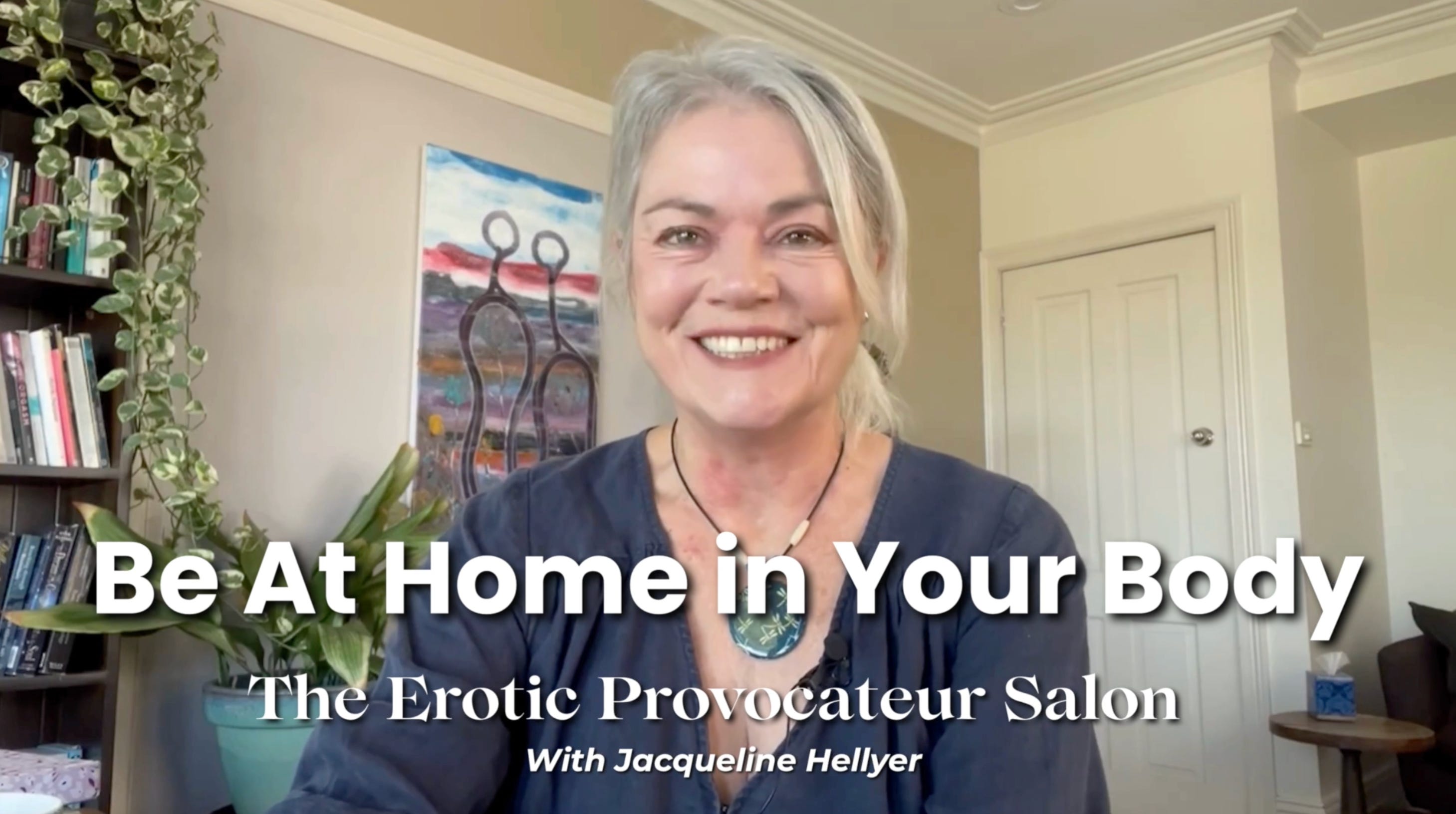
Close your eyes. Take a breath in, and exhale slowly, allowing yourself to drop into your body. Keep breathing gently and let your awareness move through you.
What do you notice? What do you feel? Is there a sense of ease, of comfort, of being at home?
The Body as Home
We really are like turtles, carrying our home with us. We live in our bodies, move through life in them, experience everything through them.
And yet, for many people, this “home” does not feel particularly comfortable. They are not fully inhabiting their bodies; in fact, they have learned to dis-inhabit them.
Two Ways We Stop Inhabiting the Body
There are two common ways people come to lose connection with their bodies.
The first is by living predominantly in the head. This is where thinking is prioritised over feeling, cognition over sensation. Life is experienced as if from the neck up, with the body somewhere below, largely ignored unless it causes trouble.
But when you are disconnected from your body, you lose access to a vast amount of information. The body is constantly sensing, responding, orienting. Without that input, the mind becomes ungrounded, the cogs of the brain whirr without the data. At best, this reduces pleasure and enjoyment. At worst, it contributes to anxiety.
The second form of disconnection is more confronting. Instead of being absent from the body, you are watching it — observing it from the outside, evaluating it, judging it.
And often, rejecting it.
This is where shame lives. Where disgust can take hold. Where the body becomes something to manage, improve, or hide.
How We Learned This
Both forms of disconnection are entirely understandable.
We are shaped by a culture that separates mind from body and consistently elevates the mind. For centuries, the body has been framed as something to control or transcend, rather than inhabit. This has been particularly true for women.
Layered on top of that is the relentless focus on appearance. Bodies are not simply experienced; they are assessed. If you do not look a certain way, your body is deemed wrong, faulty, in need of correction and fixing.
So instead of feeling into the body, we learn to look at it, often through a critical lens.
Coming Back
And yet, when you do inhabit your body, it feels good. Not in an exaggerated or performative way, but in a grounded, easeful, quietly pleasurable way.
Returning to the body is often a process. There may be psychological work involved in understanding how the disconnection developed, what beliefs were formed, what messages were internalised. And there is also somatic work, learning to come back into the body itself.
I say come back because you were once fully there. As a child, you lived from the inside out. The separation came later.
The Way Back Is Simple
The simplest way back is through the breath. Noticing the sensation of breathing in your body. Allowing your awareness to move through you, slowly and without pressure.
You might scan your body from your toes to your head. Or you might simply rest your attention wherever it is drawn.
If you encounter parts of your body that feel uncomfortable or resistant, that is okay. There is no need to force anything. Simply notice. Stay briefly. Perhaps send a sense of warmth or compassion there.
Those places have often been on the receiving end of judgement. So they don’t need correcting.
They need reconnection.
What Changes When You Return
As you begin to inhabit your body more fully, your experience of the world changes.
Your senses open. Movement feels more fluid. Touch becomes richer. Taste, smell, sound, all deepen. Your intuition sharpens and you see the world in an holistic, interconnected way.
And pleasure, including sexual pleasure, shifts in quality.
It becomes less about intensity or performance, and more about presence. About allowing sensation to unfold, rather than trying to create it.
The Erotic Shift
Sex no longer becomes something you do, or something that is done to you. It becomes something you experience from within.
There is a softening. An opening. A willingness to feel what arises. You are no longer performing sex.
You are opening into a space where you can both inhabit sex, from the inside out.
The Provocation
If you are not at home in your body, you cannot be fully at home in your sexuality. And no amount of technique, novelty, or effort will make up for that.
So the invitation is simple, although not always easy: To come back.
Not to improve your body. Not to correct it. Not to make it more desirable.
But to live in it.
Because erotic aliveness doesn’t come from perfecting the body.
It comes from inhabiting it. From living your life from the inside out.
Continue the conversation in the Salon.
It’s where I expand on each Erotic Provocateur essay with short, informal video reflections and deeper insights.